Collected, Not Cluttered: How to Create a Home That Feels Personal
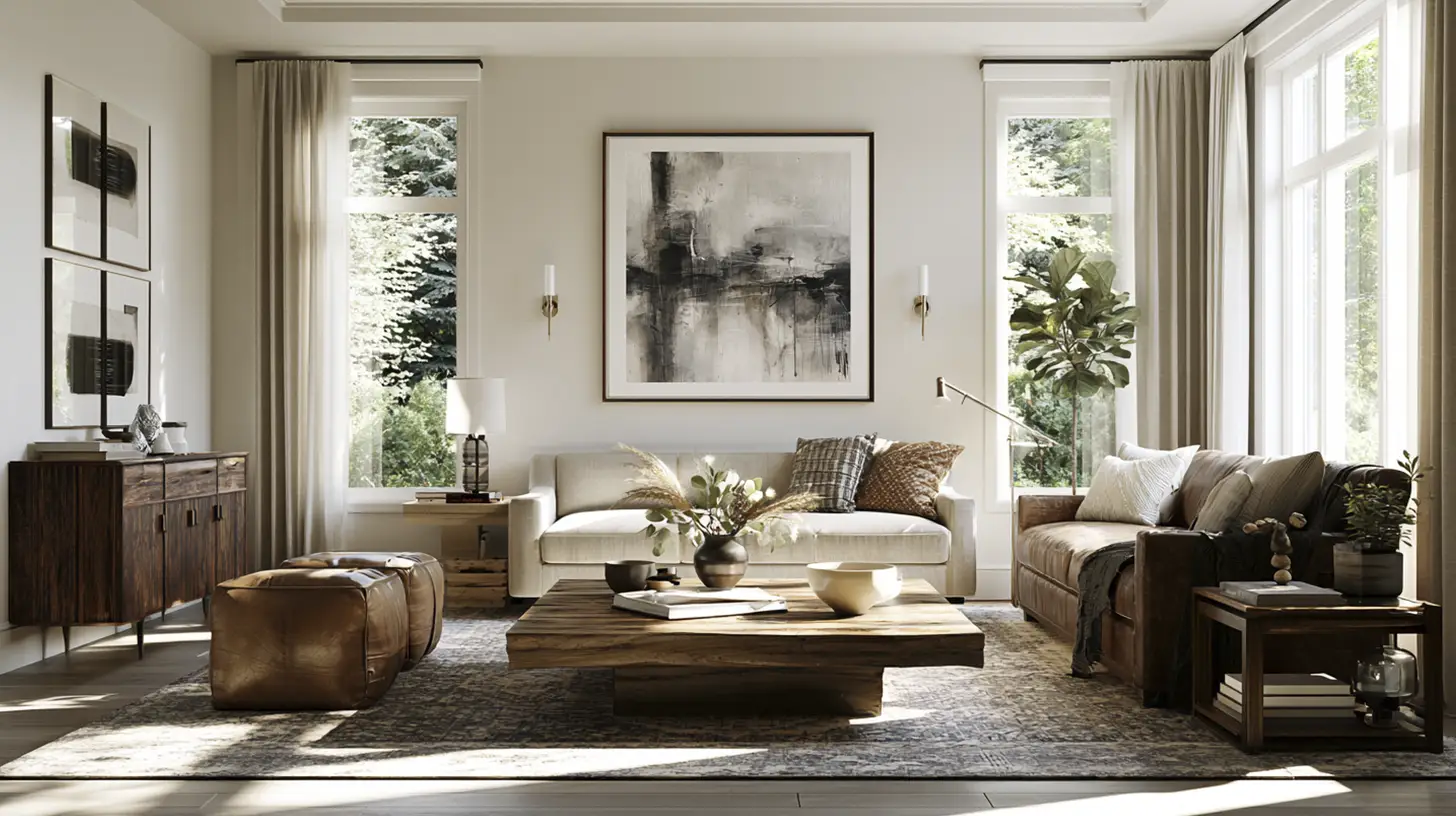
For years, luxury interiors were often associated with perfection. Every surface was pristine, every finish matched, and every room looked as though it had been installed all at once.
But the most memorable homes rarely feel that way.
Instead, they feel layered, lived-in, and deeply personal. They include objects gathered over time, artwork that means something to the people who live there, furniture from different eras, and small details that reveal a story. Nothing feels overly coordinated, yet everything belongs.
This is the difference between a home that feels cluttered and one that feels collected.
Today, luxury design is moving away from catalogue-perfect rooms and toward spaces with more individuality. Homeowners are becoming increasingly interested in interiors that reflect their experiences, tastes, travels, families, and personalities. Vintage furniture, artisan-made objects, family heirlooms, expressive patterns, and meaningful artwork are all becoming important parts of the design conversation.
The goal is not to fill every surface or preserve every possession. It is to create a thoughtful environment where the pieces you love have room to be noticed.
Begin With Meaning, Not a Matching Set
A collected interior does not begin with a furniture collection. It begins with the people who will live in the space.
Think about the items you already own that carry meaning. Perhaps it is a painting inherited from a grandparent, a ceramic bowl found while travelling, an antique chest that has moved through several family homes, or a collection of books you have accumulated over decades.
These pieces may not appear to match at first glance, but they provide something far more valuable than coordination: character.
When we design around meaningful objects, the finished room naturally feels more personal. A family piece can become the visual anchor of a space, while newer furnishings, fabrics, and finishes help bring it into a fresh context.
The key is to avoid treating sentimental items as afterthoughts. Instead, consider them early in the design process. Their proportions, colours, materials, and history can inspire the direction of the entire room.
Mix Old and New
One of the easiest ways to prevent a home from feeling overly staged is to mix furnishings from different periods.
A sleek contemporary sofa can look more interesting beside an antique side table. A traditional dining table can feel surprisingly current when paired with sculptural lighting and modern upholstered chairs. A vintage cabinet can add warmth and texture to a newly renovated kitchen or living room.
This contrast creates depth.
When everything in a room comes from the same store, year, or design era, the space can feel flat. Mixing old and new introduces subtle tension, allowing each piece to stand out while still contributing to the overall composition.
Vintage furniture is especially valuable because it often brings materials, craftsmanship, and proportions that are difficult to replicate. Natural patina, hand-carved details, aged brass, worn leather, and solid wood can soften the polished surfaces commonly found in contemporary homes.
The objective is not to create a period room. It is to select pieces from the past that complement the way you live today.
Let Artisan Objects Add Soul
Handmade objects bring an unmistakable human quality to an interior.
Ceramics with slight variations, handwoven textiles, original sculptures, blown glass, carved wood, and custom metalwork all introduce texture and individuality. Unlike mass-produced accessories, artisan pieces often reveal the hand of the maker. Their small imperfections are part of their appeal.
These objects do not need to be expensive or elaborate. A single handmade vessel placed on a console can have more impact than a group of generic accessories. A woven wall hanging may bring softness to a room dominated by stone and glass. A sculptural bowl can give a dining table presence even when it is not set for a meal.
When choosing artisan pieces, look for objects that create an emotional or visual response. You do not need to know exactly where they will go before bringing them home. The most successful collections often develop gradually.
Display Family Pieces With Intention
Family heirlooms can be some of the most meaningful objects in a home, but they can also be difficult to incorporate.
You may love the history of a piece without loving its original finish. You may have inherited several small objects that feel disconnected from the rest of your décor. Or you may worry that displaying too many sentimental items will make the room feel crowded.
Thoughtful editing can solve this.
Choose the pieces that carry the strongest memories or have the greatest visual interest. Give them space rather than grouping every inherited object in one location. A silver tray can be used on a bar cabinet. An old portrait can become part of a layered gallery wall. A vintage textile can be framed as artwork. An antique dresser can be refinished and used in a bedroom, hallway, or dining room.
Reimagining how an heirloom is used does not diminish its history. It allows the piece to remain relevant and visible in your daily life.
Mix Patterns Without Creating Chaos
Pattern plays an important role in creating rooms that feel expressive and layered. Florals, stripes, checks, geometrics, animal prints, and traditional motifs can coexist beautifully when there is a sense of balance.
The secret is not necessarily matching the patterns. It is finding a common thread between them.
That connection might come from colour, scale, material, or mood. A large botanical print can be paired with a smaller stripe if both share a similar colour palette. A patterned rug can work with decorative cushions when the room includes enough solid fabrics to give the eye a place to rest.
Varying the scale of patterns is particularly important. Combining several prints of the same size can make a room feel visually busy. Instead, mix one larger statement pattern with smaller, quieter designs.
Pattern can also be introduced in controlled ways. Drapery, an upholstered chair, a wallpapered powder room, or a collection of cushions can add personality without overwhelming the entire home.
A collected interior should feel confident, not chaotic.
Choose Artwork That Says Something
Artwork is one of the clearest ways to make a home feel personal.
The most meaningful art collection is not necessarily the most expensive or prestigious. It is the one that reflects the interests and emotional responses of the homeowner.
Original paintings, photography, children’s artwork, vintage prints, textiles, maps, sketches, and sculptural pieces can all have a place. What matters is that the work feels connected to you.
Avoid choosing art simply because it fills a blank wall or matches the sofa. Art can introduce an unexpected colour, create contrast, or shift the mood of a room. It does not need to blend in perfectly.
Gallery walls are particularly effective in collected interiors because they allow different styles, frame materials, and subject matter to coexist. However, they still benefit from thoughtful planning. Consistent spacing, a repeated frame colour, or a shared visual theme can help a varied group of pieces feel cohesive.
Larger artwork can also be used as a focal point, allowing the rest of the room to respond to its scale, energy, and palette.
Create Breathing Room
A personal home does not need to display everything at once.
In fact, one of the most important parts of creating a collected interior is knowing when to stop.
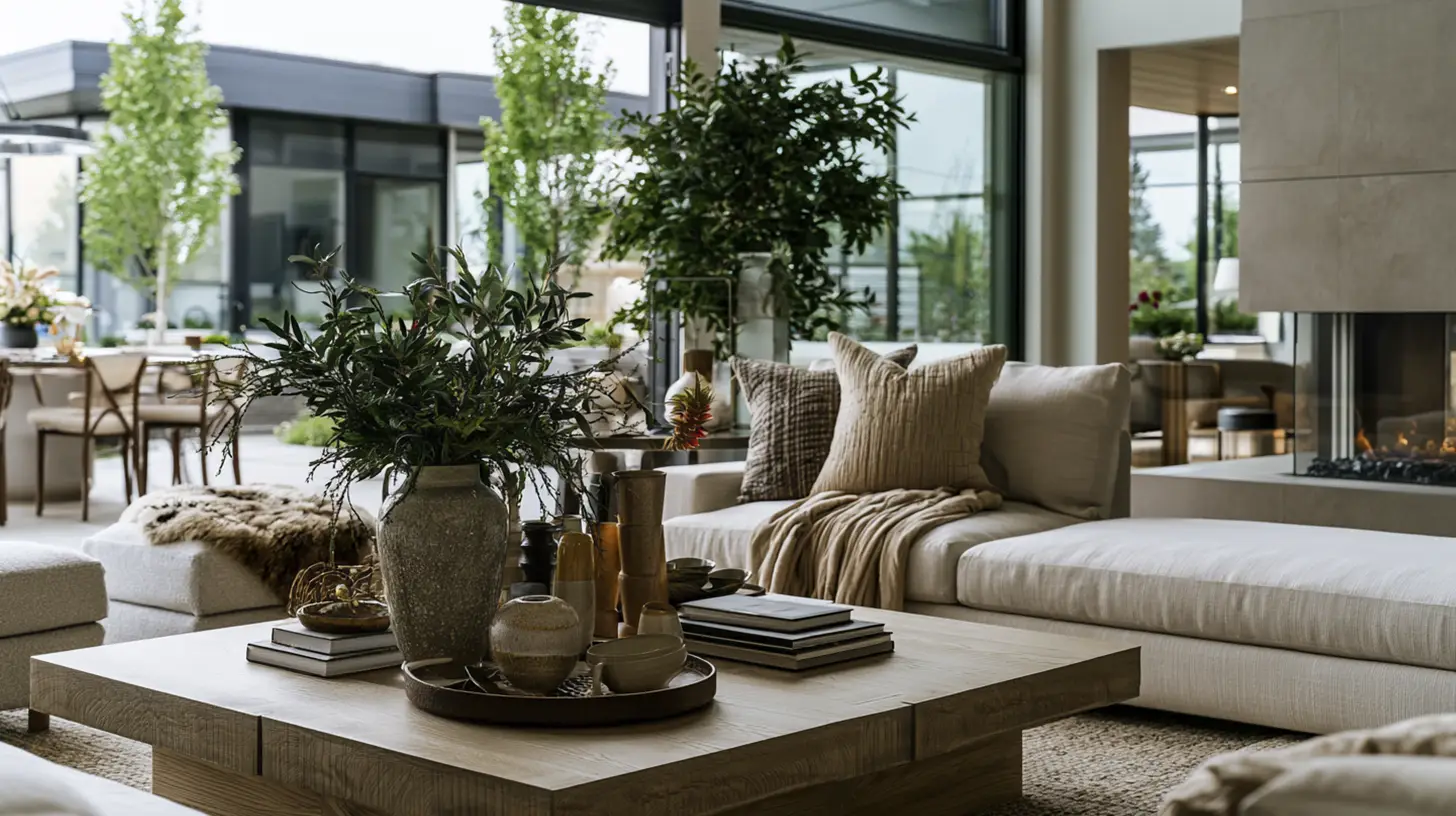
Negative space allows meaningful pieces to have greater impact. A console crowded with ten decorative objects may feel cluttered, while the same surface styled with a lamp, a stack of books, and one sculptural piece can feel intentional.
Try grouping objects in small arrangements rather than distributing them evenly across every surface. Vary their height and shape, and leave some open areas nearby. This creates visual rhythm and prevents the room from feeling overly busy.
Rotating items seasonally can also keep your home feeling fresh. Artwork, books, textiles, and decorative objects can be changed throughout the year without requiring a full redesign.
A collection should evolve with you.
Use Colour to Create Connection
When a room contains furniture, artwork, and accessories from several eras and sources, colour can provide the sense of unity it needs.
This does not mean every object must match. Instead, repeat a few colours throughout the room in different ways. A tone found in a painting might reappear in the upholstery, a ceramic object, or the trim of a cushion. Warm wood furniture might be balanced by brass lighting and caramel-coloured textiles.
A restrained background can allow more expressive objects to stand out, while a richer wall colour can make vintage and traditional pieces feel especially inviting.
The right palette provides structure without removing individuality.
Invest in the Pieces That Shape the Room
Collected interiors often include a mix of valuable investment pieces and more modest finds.
It can be worthwhile to invest in the furnishings that receive the most use or have the greatest visual influence, such as a well-made sofa, a custom dining table, quality drapery, or a handcrafted area rug. These elements establish the foundation of the room.
Smaller accessories can then be added gradually through travel, antique shopping, local galleries, artisan markets, and family collections.
This approach creates a home that feels layered over time rather than completed in a single shopping trip.
Allow Your Home to Evolve
The most personal interiors are never truly finished.
They change as families grow, interests shift, collections expand, and new memories are made. A home that feels collected gives you permission to add, edit, rearrange, and reinterpret pieces over time.
That evolution is part of what makes the space authentic.
Rather than designing every room around what is currently popular, focus on creating a foundation that can support your personality for years to come. Choose quality materials, flexible furnishings, meaningful objects, and colours that genuinely appeal to you.
Luxury does not have to mean formality or perfection. It can mean craftsmanship, comfort, history, self-expression, and the confidence to create a home that could belong to no one else.
At Karen Horte Interiors, we believe the most beautiful rooms tell a story. Through thoughtful space planning, carefully selected furnishings, custom details, artwork, heirlooms, and collected objects, we create interiors that feel refined without losing their personality.
Because a well-designed home should not look copied from a catalogue. It should feel unmistakably yours.
TAGS
Best Interior Designers Calgary, Calgary Custom Interior Design, Calgary Home Renovation and Design, Contemporary Interior Design, Design Tips, Interior Design, Interior Design Airdrie, Interior Design Calgary, Interior Design Companies Calgary, Interior Design Consultation Calgary, Interior Design Okotoks, Karen Horte Interiors, Luxury Interior Design Calgary, Minimalism, Minimalist Design, Mixing Textures, Modern Interior Design Calgary Organization, Texture Mixing, Interior Design Inspiration, Interior Design Tips, Interior Winter Prep
More From The Journal
.svg)


Ready to Meet?
Excited to transform your space? Let's bring your vision to life. Get in touch today to begin your design journey.