The Return of Dark Wood: Why Walnut, Espresso Oak & Rich Finishes Are Back
For the past several years, light woods have dominated interior design. White oak, pale ash and washed finishes became almost synonymous with modern homes, bringing a bright, airy feeling to everything from kitchens to built-ins. But design is shifting.
Dark wood is making its way back into interiors, and this time, it feels less formal and far more sophisticated. Rich walnut, espresso oak, smoked finishes, and deep brown stains are appearing in kitchens, furniture, millwork, and architectural details, adding warmth, contrast, and a sense of permanence to a space.
And no, this does not mean we are heading back to the heavy, overly traditional interiors of decades past. The new approach to dark wood is layered, intentional, and decidedly modern.
Why Dark Wood Is Having a Moment Again
Interior design has been steadily moving away from spaces that feel overly minimal or perfectly coordinated. Homeowners are looking for interiors with more personality, texture, and depth, spaces that feel lived in rather than staged.
Dark wood fits naturally into that shift.
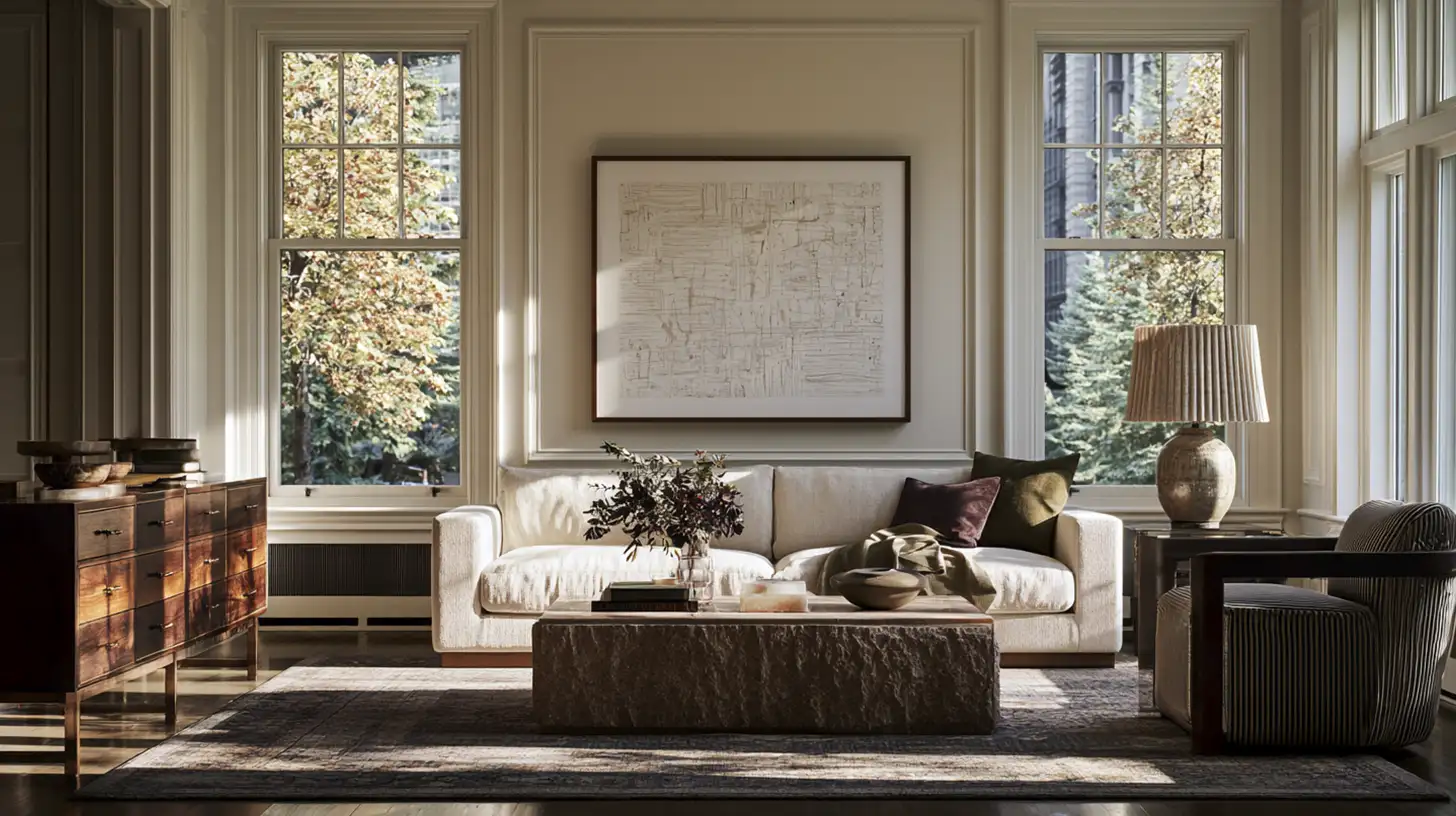
Its rich tones create instant warmth and visual interest, particularly when paired with natural stone, soft textiles, warm metals, and lighter architectural finishes.
Where pale woods often create a quiet backdrop, darker woods have presence. They can anchor a room, highlight beautiful craftsmanship, and make even a simple piece of cabinetry feel more substantial.
There is also something wonderfully timeless about them.
Walnut cabinetry, a beautifully stained dining table, or a dark oak library can feel contemporary today while still looking elegant years from now.
Walnut: Warm, Natural and Effortlessly Elegant
Walnut is one of the easiest ways to introduce darker wood without making a room feel heavy.
Its natural grain and variation give it an organic quality, while its warm brown tones work beautifully with both modern and traditional interiors.
In a kitchen, walnut cabinetry can create an elegant contrast against pale stone countertops or creamy walls. In a living room, walnut built-ins can provide just enough richness to make the room feel grounded without overpowering it.
Walnut also pairs beautifully with materials such as
• Travertine and limestone
• Marble and quartzite
• Brushed brass
• Warm white paint
• Linen and wool
• Leather
• Plaster and textured wall finishes
The result is an interior that feels warm, collected, and refined.
Espresso Oak: Drama Without the Weight
Espresso finishes are also returning, but today's version is softer and more nuanced than the nearly black cabinetry many people remember from the early 2000s.
Modern espresso oak allows the grain of the wood to remain visible, which gives the finish depth and keeps it from feeling flat.
This makes it particularly effective for areas where you want to create contrast.
Imagine a dark oak kitchen island surrounded by lighter cabinetry. Or espresso millwork framing a home office, bar, or library. Even a single piece of darker furniture can help anchor a room filled with lighter finishes.
It is less about making everything dark and more about choosing where that richness will have the most impact.
Dark Wood Works Best When There Is Contrast
One of the most important differences between today's dark wood interiors and those of the past is the use of contrast.
Rather than surrounding dark cabinetry with equally dark flooring, walls, and furniture, designers are balancing deeper wood tones with lighter materials.
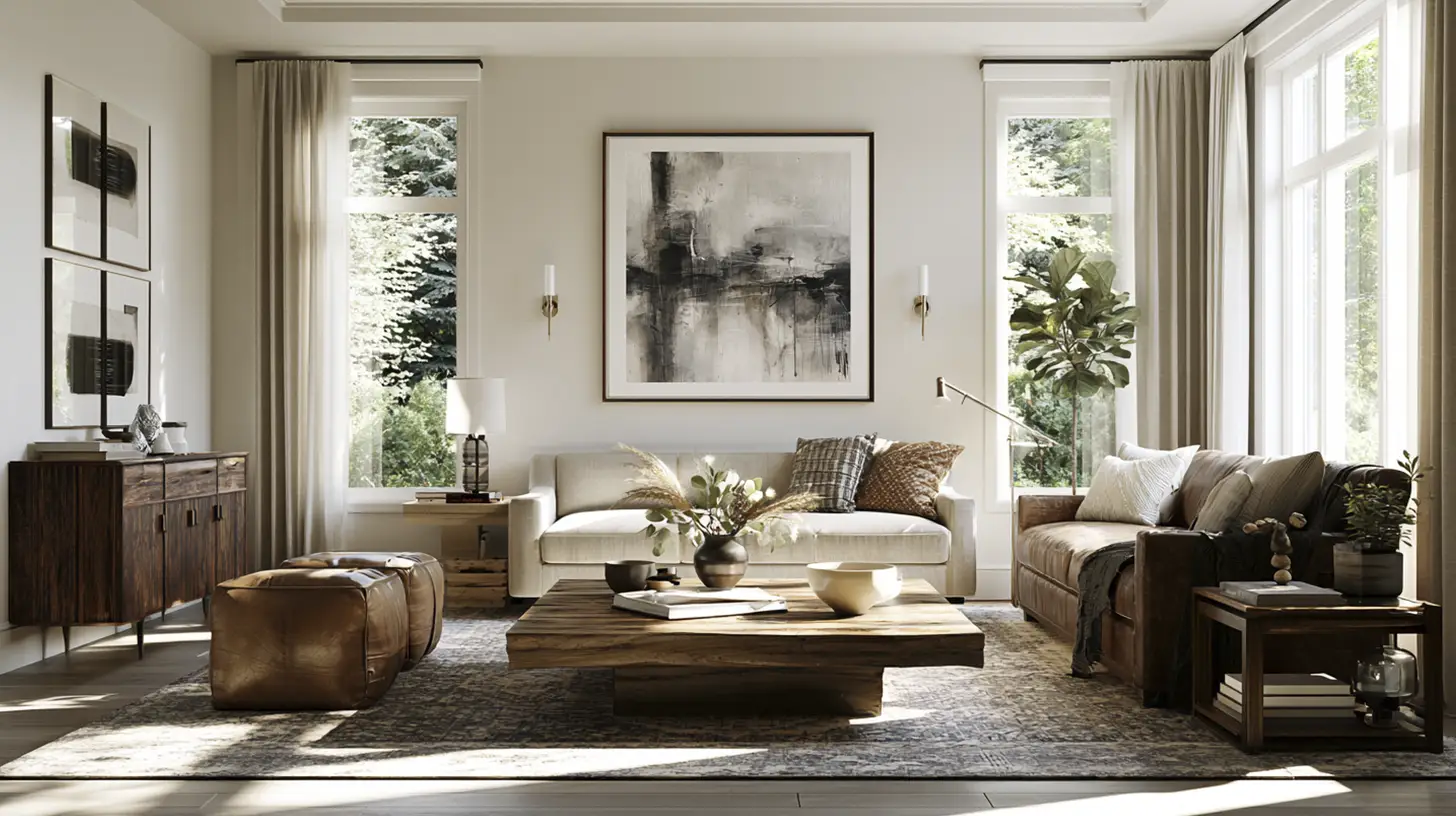
A dark walnut vanity might sit against a soft plaster wall. Espresso cabinetry might be paired with warm ivory stone. A dark dining table might be surrounded by upholstered chairs in linen or boucle.
This contrast allows the wood to become a focal point while keeping the room feeling bright and balanced.
The goal is not to create a dark room. The goal is to create depth.
Using Dark Wood in the Kitchen
Kitchens are one of the most exciting places to incorporate richer wood finishes.
After years of white and light oak kitchens, darker cabinetry can instantly make a space feel more distinctive.
That does not necessarily mean committing to an entirely dark kitchen.
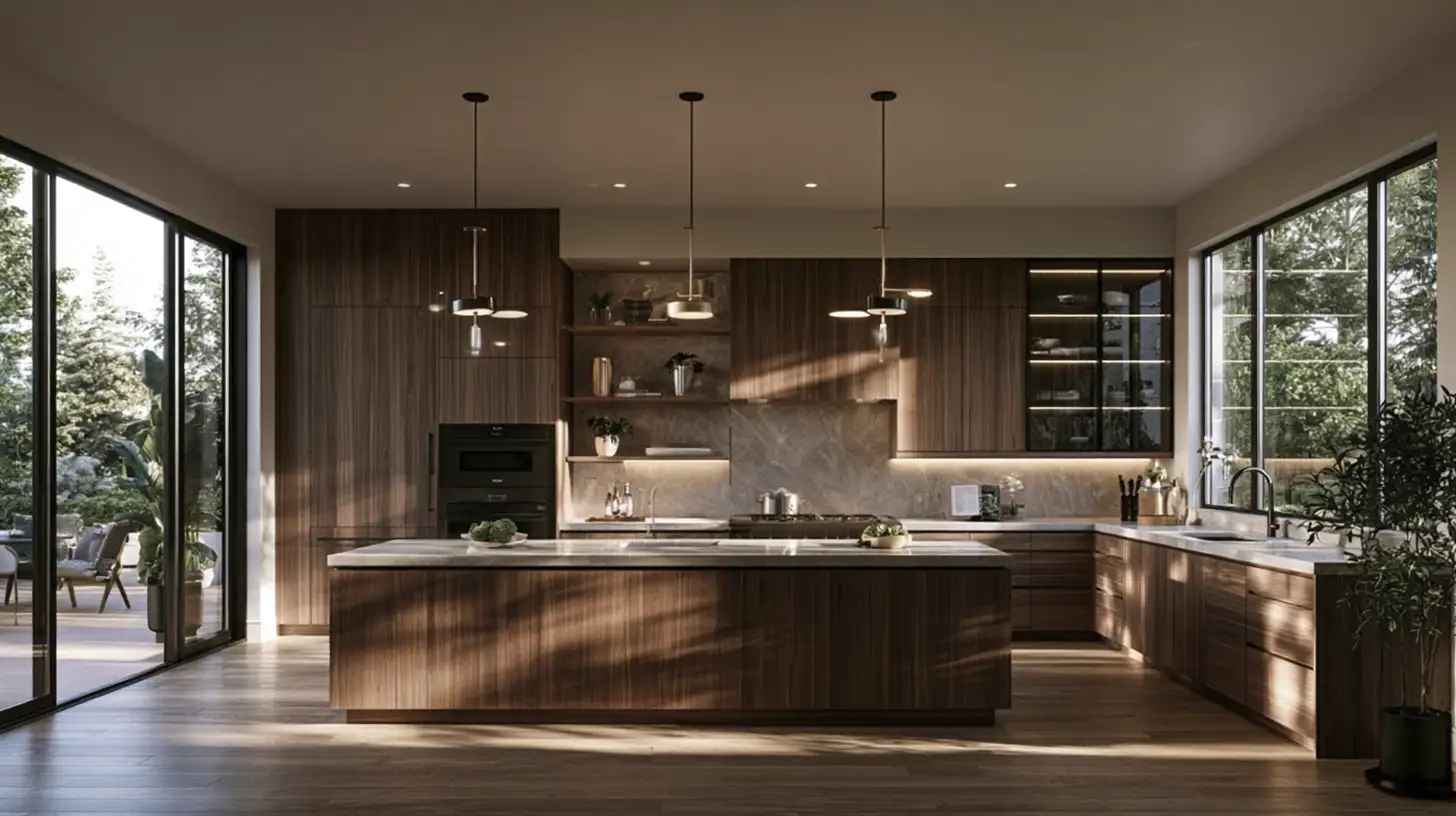
A walnut island can create a beautiful centerpiece in a lighter kitchen. Dark wood can also be introduced through a range hood, appliance wall, pantry cabinetry, or built-in bar.
For homeowners who want a stronger statement, full walnut or espresso cabinetry can feel incredibly sophisticated when balanced with lighter countertops, backsplash materials, and flooring.
Lighting becomes especially important here. Thoughtful pendant lighting, under-cabinet illumination, and natural light help the richness of the wood come through without making the room feel closed in.
Built-Ins, Libraries, and Home Offices Are Perfect Places to Go Dark
Dark wood also lends itself beautifully to specialty spaces.
Libraries, offices, bars, and media rooms often benefit from a little more mood and personality than the main living areas of a home.
Floor-to-ceiling walnut bookshelves can transform a library into a warm, inviting retreat. Espresso cabinetry can give a home bar the atmosphere of a boutique hotel. A dark wood desk or wall of millwork can make a home office feel grounded and intentional.
These are spaces where deeper finishes can create atmosphere.
And because they are often visually separated from the rest of the home, they provide an opportunity to be slightly more adventurous.
Mixing Dark and Light Woods
One common misconception is that all of the wood in a home needs to match.
It doesn't. In fact, mixing wood tones can make an interior feel more natural and collected.
The key is finding some connection between them.
A pale oak floor can work beautifully with walnut cabinetry, for example, because both have warm undertones. A darker dining table can sit comfortably within a lighter kitchen when other elements, such as hardware, textiles, or stone help, bridge the two finishes.
Trying to match every piece of wood perfectly can sometimes make a space feel overly coordinated. Variation creates personality.
Dark Wood and the Return of Lived-In Luxury
The renewed interest in darker woods also reflects a broader change in how we think about luxury. Luxury does not have to mean shiny, perfect, or formal.
Increasingly, the most sophisticated interiors are the ones that feel layered and personal. Natural grain, rich materials, and finishes that develop character over time all contribute to that feeling.
Dark wood is particularly good at creating this kind of atmosphere. It feels established. Substantial. Comfortable.
A beautifully crafted walnut cabinet or dark oak dining table can become something that stays in a home for decades rather than being replaced when the next trend arrives. That sense of longevity is becoming increasingly valuable in interior design.
Is Dark Wood Right for Your Home?
Like any design choice, dark wood works best when it is considered as part of the entire space.
Natural light, flooring, ceiling height, surrounding finishes, and the overall architecture of the home all play a role in determining how much dark wood will feel appropriate.
In some homes, a single walnut island may be enough.
In others, deeper cabinetry throughout a kitchen or dramatic millwork in a library may be exactly what the space needs.
The beauty of this trend is that it does not require an all-or-nothing approach.
Even small touches of richer wood can introduce warmth and contrast into an otherwise light interior.
A Richer Approach to Modern Design
The return of dark wood is not really about revisiting the past.
It is about bringing more warmth, craftsmanship, and character back into our homes.
Walnut, espresso oak, and other rich finishes offer a beautiful counterpoint to the pale, minimal interiors that have defined the last several years. When paired thoughtfully with stone, soft textiles, natural light, and warm neutrals, they can create spaces that feel both contemporary and timeless.
And perhaps that is why dark wood feels so appealing right now.
It reminds us that a beautiful home does not need to be perfectly light, perfectly minimal, or perfectly matched.
Sometimes, a little depth is exactly what makes a room interesting.
At Karen Horte Interiors, we believe the most successful interiors are the ones that feel personal, intentional, and built to last. Whether you are considering a full renovation or simply exploring ways to introduce richer materials into your home, thoughtful design can help create a space that feels beautifully balanced for years to come.
TAGS
Best Interior Designers Calgary, Calgary Custom Interior Design, Calgary Home Renovation and Design, Contemporary Interior Design, Design Tips, Interior Design, Interior Design Airdrie, Interior Design Calgary, Interior Design Companies Calgary, Interior Design Consultation Calgary, Interior Design Okotoks, Karen Horte Interiors, Luxury Interior Design Calgary, Minimalism, Minimalist Design, Mixing Textures, Modern Interior Design Calgary Organization, Texture Mixing, Interior Design Inspiration, Interior Design Tips, Interior Winter Prep
More From The Journal
.svg)


Ready to Meet?
Excited to transform your space? Let's bring your vision to life. Get in touch today to begin your design journey.